

Table of Contents
Table of Contents
Analog camera systems used to be the standard for business security. But technology has changed. Now, businesses need more than basic video footage – they need smarter tools, better data, and stronger protection.
If you’re still using analog cameras, you’re not alone. But you might be missing opportunities to improve visibility, reduce risk, and respond faster when something goes wrong.
Here’s what you need to know.
What is an analog security camera system?
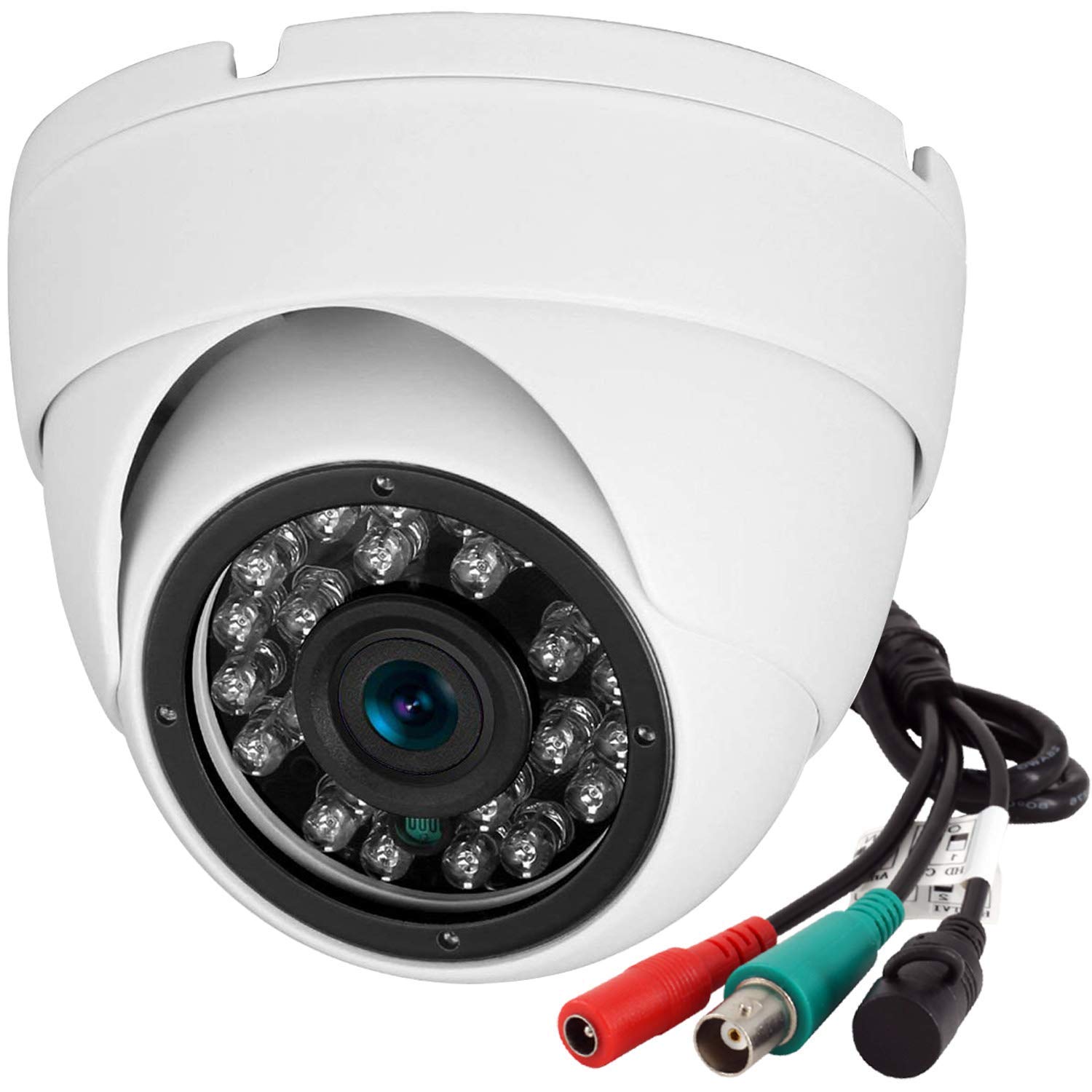
An analog security camera system operates using traditional technology where cameras capture video and then send it over a coaxial cable to a digital video recorder (DVR). This DVR converts the analog signal into a digital format for viewing, storing, and managing the footage. These systems are known for their straightforward installation and operation.
With a history that stretches back decades, CCTV analog cameras are a staple in security for businesses, offering a basic level of security without the need for complex infrastructure or high-tech equipment.
Despite their simplicity, analog cameras face limitations in resolution, scalability, and features compared to modern digital solutions. They typically offer lower video quality, which can affect the clarity of footage, especially when zooming in on details. Moreover, analog setups lack the advanced functionalities such as motion detection, remote video access, and analytics that have become standard with digital systems.
However, the value of analog security camera systems lies in their extensive installation base and the simplicity they offer. Many businesses and individuals continue to rely on these systems, seeking ways to enhance their functionality without discarding existing equipment. This is where solutions like Solink play a pivotal role, providing a bridge to modern security technologies while preserving the initial investment in analog security infrastructure.
Why some businesses still use analog security cameras
Businesses keep analog systems for a few reasons:
-
Low cost: Analog equipment is cheaper upfront.
-
Existing infrastructure: If a building is already wired for analog, it’s easier to keep it.
-
Basic needs: Some locations just need video playback, nothing more.
For smaller operations or areas with low foot traffic, analog might seem “good enough.” But in many cases, these systems are now holding businesses back.
The limitations of analog security systems in a digital world
Analog systems weren’t built for modern business. Here’s what you’re missing:
-
Poor video quality: Analog video maxes out at lower resolutions. Zooming in often means pixelated, unusable footage.
-
Limited remote access: Most analog systems don’t support easy remote viewing or mobile access without third-party workarounds.
-
No data integration: Analog video is standalone. It doesn’t sync with POS data, access control logs, or AI tools.
-
Manual search: Finding footage means scrolling through hours of video. There’s no smart search or keyword lookup.
-
Weak scalability: Adding more cameras often means replacing or upgrading the entire system.
These gaps make it harder to prevent theft, investigate incidents, or spot trends across multiple locations.
How to modernize your analog security camera system
Upgrading your video security doesn’t have to mean tearing everything out and starting over. For many businesses, the smarter path is a phased upgrade – one that starts by modernizing what you already have.
This is where a hybrid cloud solution comes in. It lets you keep your analog cameras but still access many of the features you’d expect from a newer system. You get smarter tools, better access, and more control – without the high cost of ripping and replacing your infrastructure.
Here’s what that looks like in practice.
Use a video gateway to connect your DVR to the cloud
The video gateway is the bridge between your existing analog system and the cloud. It connects directly to your DVR (digital video recorder), then streams video footage securely to the cloud.
With Solink, this process is seamless. There’s no need to rewire or physically alter your current setup. The gateway collects live and recorded footage and uploads it to Solink’s secure cloud platform. It works in the background with no disruption to your daily operations.
You keep using your cameras and DVR like usual – but now your footage is also backed up, accessible remotely, and searchable.
Enable remote access on any device
One of the biggest weaknesses of older analog systems is that you need to be onsite to view footage. That doesn’t work for growing businesses with multiple locations or managers who travel.
With Solink’s hybrid system or a hybrid VMS, your video is viewable from anywhere – phone, tablet, or desktop. You can:
Watch live feeds from any camera at any location
Review past events instantly without physical access to the DVR
Check on operations in real time, whether you’re down the street or across the country
This remote access helps you act faster when problems happen. No more waiting until Monday to review weekend footage. You get answers now.
Link your video to business data
Analog footage on its own is hard to search. You have to scrub through hours of video just to find a moment in time. A modern video management system changes that by integrating video with business data.
Here’s how it works:
Connect a tool like Solink to your POS (point of sale) system
Tag each transaction with a timestamp and location
Watch video linked to specific sales, refunds, discounts, or employee logins
This turns your security camera into a business tool. You can search video by:
Transaction ID
Employee name
Customer complaint time
Motion during closed hours
It’s faster, smarter, and helps catch internal and external issues before they grow.
Set up smart alerts and detection
Modern systems don’t just record – they tell you when something looks wrong. Solink’s VMS platform lets you create custom alerts based on what matters to your business.
Examples:
Motion detected in restricted areas
Activity during off-hours
Large cash refunds
Door held open too long
Customer count above expected levels
You get real-time alerts by email or mobile push. That means fewer surprises and faster responses.
Back up your video to the cloud
If your DVR is stolen, damaged, or corrupted, you could lose critical footage. Cloud backup solves that problem.
Solink stores important video clips in the cloud. You can:
Automatically save footage flagged by alerts
Manually bookmark key events
Keep audit trails for compliance or investigations
Video is encrypted and stored securely offsite, so even if your hardware fails, your footage stays protected.
You also save time when sharing video. Instead of burning DVDs or pulling footage on-site, you send a secure link to law enforcement, insurers, or team members.
The result: Modern features without a full upgrade
By connecting your analog system to a modern VMS platform, you:
Gain access to cloud storage and remote access
Turn raw footage into searchable business data
Automate alerts for suspicious behavior
Protect footage from theft or damage
Share video instantly without exporting files
All this without replacing your cameras or rewiring your building.
For many businesses, this is the most cost-effective first step toward modern video security. When you’re ready, you can upgrade to IP cameras and expand capabilities — but the platform stays the same.
When to consider upgrading to IP cameras
While Solink can help you get the most out of your analog security cameras, it’s undeniable that there are advantages to upgrading to modern IP security cameras. These advanced systems represent a significant leap in technology, offering superior video quality, scalability, and flexibility that analog systems simply cannot match.
IP cameras transmit video digitally using a network, allowing for higher resolution footage and easier access from remote locations. This digital infrastructure opens up new possibilities for security and business operations alike.
Here are some of the key advantages to having better cameras:
- Higher video quality: IP cameras provide significantly higher resolution than analog cameras, making it easier to identify faces, license plates, and other important details in your footage.
- Scalability: Adding new cameras to an IP security system is straightforward, allowing your security network to grow and adapt with your business needs without the complexity often associated with analog systems.
- Advanced features: IP cameras often come with a range of built-in features such as motion detection and analytics capabilities. These features enhance security measures and provide valuable insights for business operations. For example, people counting makes it possible to calculate conversion rates.
- Integration capabilities: Modern IP cameras can easily integrate with other security and business systems, offering a unified approach to managing security, data, and insights.
Solink gets the most out of analog security camera systems
Solink is a powerful technology partner for businesses clinging to their analog security camera systems. It offers an innovative solution that bridges the gap between old and new, enhancing traditional systems with modern cloud video security capabilities.
By integrating with Solink, businesses can extend the life and functionality of their analog cameras, gaining access to advanced features without the need for expensive infrastructure overhauls. Solink proves that even in an era of digital transformation, there is significant value in existing analog systems, ensuring businesses can secure their premises effectively while exploring avenues for future upgrades.
Want to get new ROI out of your existing analog security camera system? See how Solink can help.